Press · World Economic Magazine
14 May 2026 · World Economic Magazine
Market commentary · Wellness real estate
The numbers are large, but the idea behind them is small and human. A market once measured in square metres is now also measured in air quality, daylight, walkability, and the kind of quiet a residence can hold.
UAE wellness real estate market highlighted at $14.6 bn, among the world's fastest-growing categories.
National wellbeing mandates and government-led vision identified as primary growth drivers.
KETURAH founder links the trajectory to a sustained, policy-backed shift in how the UAE builds.
The numbers are large, but the idea behind them is small and human. A market once measured in square metres is now also measured in air quality, daylight, walkability, and the kind of quiet a residence can hold.
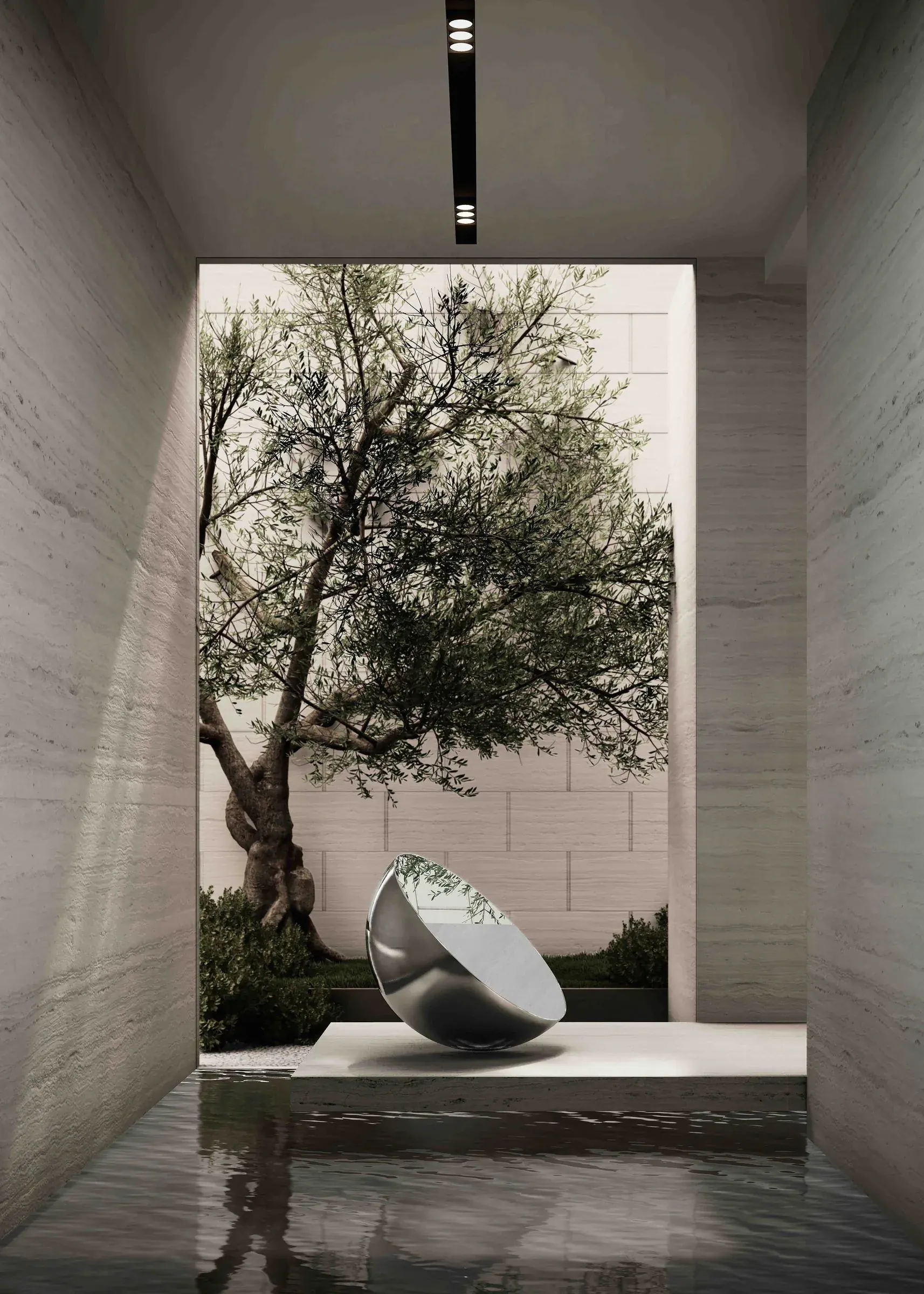
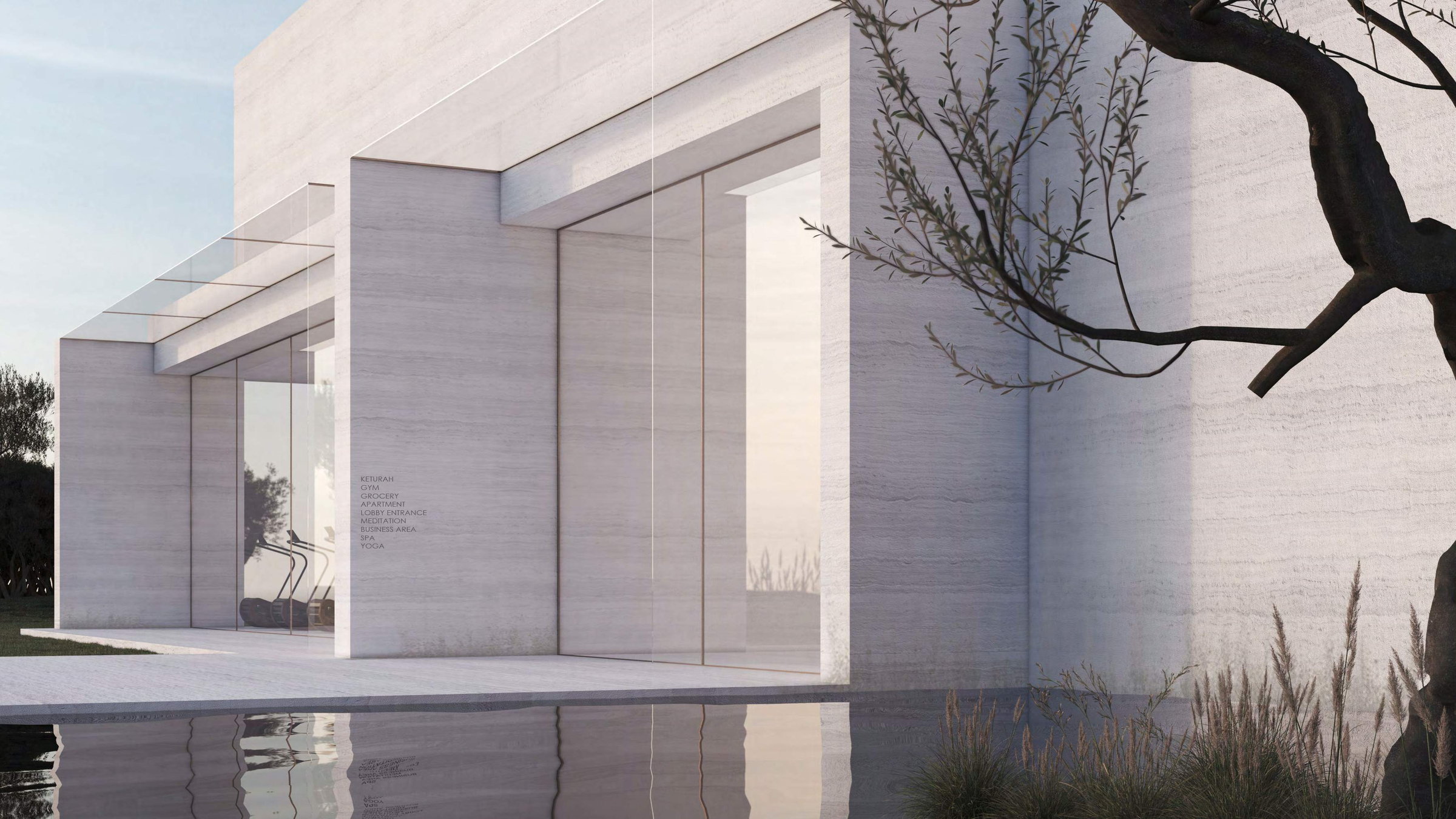
KETURAH welcomes the new data as confirmation of a long-held conviction. Wellness was never an amenity for us. It has been the brief, the reason a Resort is designed around restoration, the reason an office breathes between a sanctuary and a skyline, the reason a mansion turns toward the Creek and away from the noise.
The UAE's leadership in this category is not accidental. It is the product of policy, planning, and a willingness to set wellbeing as a national mandate. KETURAH builds inside that mandate, and at the slow tempo it requires.
Across the portfolio, that conviction has taken built form. The Ritz-Carlton Residences, Dubai, Creekside. Keturah Reserve in Mohammed Bin Rashid City. Keturah Ardh, the AED 60 bn master community in Al Rowaiyah First District. Each chapter is delivered once, well, in a place that cannot be replicated.
The UAE wellness real estate market was valued at USD 14.6 billion in the most recent Global Wellness Institute reading — one of the world's fastest-growing categories in premium property. The category is sized separately from generic premium property because the buyer signals, the certification economics, and the operational continuity requirements are structurally different.
Three factors drive the category in the UAE specifically. First, national wellbeing mandates that align government vision with private development. Second, the Dubai 2040 Urban Master Plan, which encodes wellness into the city's planning brief. Third, the maturity of the WELL Building Standard and Fitwel ecosystems in the region — both of which now have audit infrastructure on the ground.
Wellness real estate is a separately-sized category, not a premium-property subset.
KETURAH operates entirely inside the USD 14.6 bn category — the comparison set is global wellness brands, not generic Dubai luxury.
Category growth in 2025 is being tracked against the Global Wellness Institute benchmark and against developer-level certification rates.
The research lineage that shaped the category.
Read article →The architectural framing under the category sizing.
Read article →